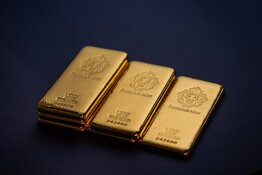


The price of palladium is sitting at around US$849 per ounce. This metal hasn't reached such high levels since February 2001.
One reason for this spike in price is that demand is currently outpacing supply. Russia was once one of the world's largest producers of the metal. However, it has sold off the majority of its reserves, according to Brahm Spilfogel, a vice-president and portfolio manager at RBC Asset Management. Russia used to stock pile palladium in order to maintain a stable market price.
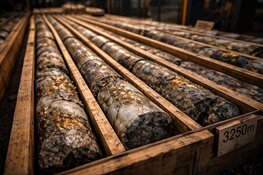
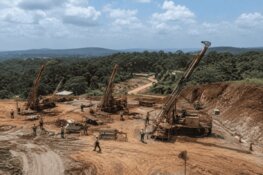
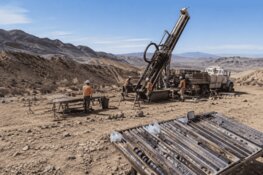
Palladium mines are deep and expensive to run. This only adds to the low-supply situation, as a lot of companies that mine this metal have a difficult time generating positive cash flow.
"Strong industrial demand for palladium coupled with very limited mine supply growth has attracted a considerable amount of investment interest in the metal," said Credit Agricole analyst Robin Bhar, as reported by Dow Jones.
Although investing in metals is always risky business, analysts are pinning palladium and platinum as safer bets over the long run.
Palladium prices are largely driven by industrial demand.
Along with platinum, palladium is used to manufacture catalytic converters for automobiles. Catalytic converters reduce the toxicity of automobile emissions. Since the auto market has begun to rebound from the recession, more palladium will be needed for vehicle production. It is expected that growing demands coupled with low supplies will continue driving the price higher.
The National Statistics Institute reported a 24 percent increase in the automobile industry orders in the last quarter of 2010 as compared to 2009. This growth seems to be continuing on into 2011.
One reason for this spike in price is that demand is currently outpacing supply. Russia was once one of the world's largest producers of the metal. However, it has sold off the majority of its reserves, according to Brahm Spilfogel, a vice-president and portfolio manager at RBC Asset Management. Russia used to stock pile palladium in order to maintain a stable market price.
Palladium mines are deep and expensive to run. This only adds to the low-supply situation, as a lot of companies that mine this metal have a difficult time generating positive cash flow.
"Strong industrial demand for palladium coupled with very limited mine supply growth has attracted a considerable amount of investment interest in the metal," said Credit Agricole analyst Robin Bhar, as reported by Dow Jones.
Although investing in metals is always risky business, analysts are pinning palladium and platinum as safer bets over the long run.
Palladium prices are largely driven by industrial demand.
Along with platinum, palladium is used to manufacture catalytic converters for automobiles. Catalytic converters reduce the toxicity of automobile emissions. Since the auto market has begun to rebound from the recession, more palladium will be needed for vehicle production. It is expected that growing demands coupled with low supplies will continue driving the price higher.
The National Statistics Institute reported a 24 percent increase in the automobile industry orders in the last quarter of 2010 as compared to 2009. This growth seems to be continuing on into 2011.